

Florida Felt an Earthquake Yesterday. Here’s What That Tells Us About Protecting Your Home
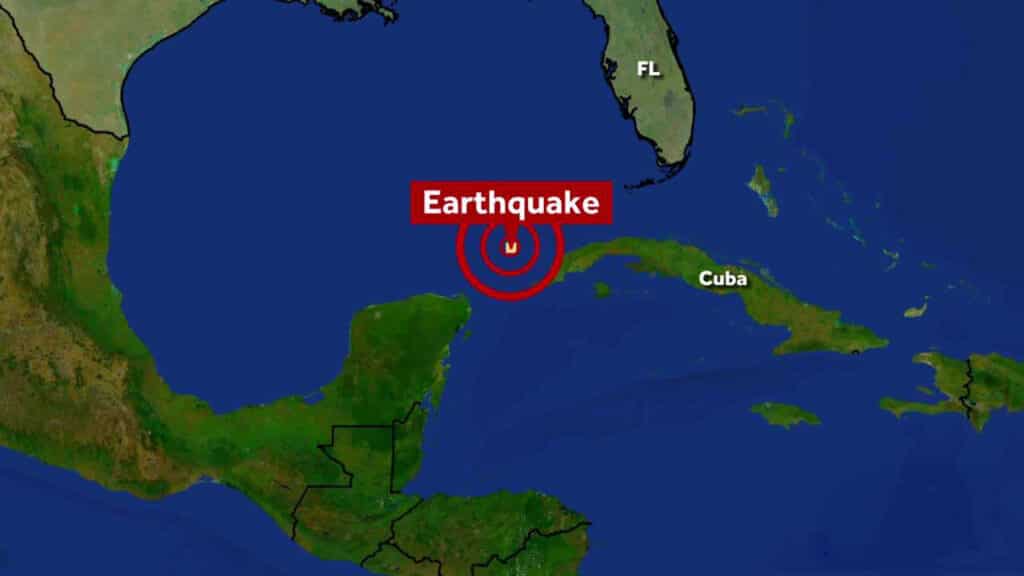
If you felt the ground shift around 2 p.m. on Monday, June 8th, 2026, you weren’t imagining it. A 6.1-magnitude earthquake off Cuba shook Florida from Miami to Jacksonville — and for many homeowners, it raised an immediate question about Florida earthquake and hurricane protection: how ready is your home for forces it doesn’t see coming?
Florida doesn’t get earthquakes. That’s part of why this one rattled people so much — physically and psychologically. But the moment also raises a more important question for homeowners: how ready is your home for the forces it doesn’t see coming?
Florida Doesn’t Have Earthquakes — Except When It Does
The USGS noted that shaking felt in Florida from a distant earthquake is genuinely uncommon. Monday’s event ranks as the second strongest ever recorded in the Gulf, behind only a 6.4-magnitude event in 1959. In other words, this wasn’t a blip. It was a once-in-a-generation shake.
And yet, the damage to Florida homes appears minimal. The shaking was moderate by seismic standards — a light sway rather than a structural threat. No tsunami warning was issued. The National Tsunami Warning Center confirmed there was no coastal danger.
So why bring it up in a conversation about home protection? Because the point isn’t the earthquake. The point is what the earthquake reminds us about Florida living: extreme events that feel distant and unlikely have a way of showing up at your door.
The Real Threat Floridians Know — and Still Underestimate
Florida homeowners aren’t strangers to weather risk. Hurricane season runs June through November. Storm surge can reach communities miles from the coast. Wind speeds in major storms can exceed 150 mph. The state sits in a geography that makes it one of the most weather-exposed places in the country.
And yet, every year, a meaningful number of homeowners enter hurricane season without permanent storm protection in place. The psychology behind this is well-documented: when a disaster doesn’t happen, it feels like it won’t. The earthquake that shook Florida on Monday was a reminder that nature doesn’t follow our assumptions.
For homeowners who felt Monday’s tremor and thought, “I should probably take care of that hurricane protection this year” — that instinct is exactly right. Hurricane season officially started June 1st. The time between now and the peak of activity — historically late August through October — is the window to act.
What Storm Protection Actually Looks Like
There’s a difference between “storm ready” and truly protected. Stacking storm panels in a garage or planning to board up windows when a storm approaches is a reactive strategy — one that depends on having enough warning, enough time, and enough physical capability to execute under pressure.
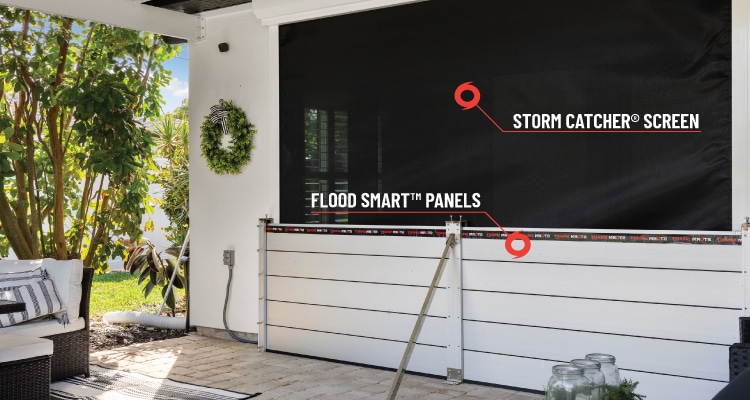
Permanent protection works differently. Storm Smart’s motorized Roll Down products — including Storm Catcher® Hurricane Roll Down Screens and Aluminum Roll Down Shutters — are custom-engineered and permanently installed on your home. When a storm approaches, deployment is at the touch of a button. No panels to carry. No boards to nail. No scrambling.
Storm Catcher® Hurricane Screens are designed to withstand hurricane-force winds and reduce wind to a breeze behind the screen. Aluminum Roll Down Shutters are engineered from durable extruded aluminum to withstand strong winds and airborne debris, and can provide a virtually impenetrable barrier for your home. Both products are manufactured locally in Florida and meet and exceed the Florida Building Code.
For homeowners who are looking for year-round protection that requires no action at all, Impact Windows and Doors offer always-on defense without any deployment requirement. Once installed, they provide continuous protection regardless of whether you’re home, traveling, or simply not watching the forecast.
Flood protection works on a different principle. Storm Smart’s Flood Smart™ System is a custom-fitted solution designed to help reduce water intrusion at vulnerable openings around your home — garages, entryways, and sliding patio doors. Removable flood panels fit into permanently installed tracks, giving Fort Pierce homeowners a reliable line of defense against rising water, heavy rainfall, and storm surge. No improvised solutions. No sandbags. Just a system built specifically for your home’s openings.
The Lesson From Monday’s Earthquake
Most Floridians will go their entire lives without feeling another earthquake. But that’s not true of hurricanes — and it’s certainly not true of the tropical storms, wind events, and flooding episodes that affect Florida during hurricane season.
The difference between an earthquake and a hurricane, from a homeowner’s perspective, is lead time. With earthquakes, you have none. With hurricanes, you have days of warning — but only if your protection is already in place. If it isn’t, that warning time gets consumed by logistics, stress, and decisions that should have been made months earlier.
Storm Smart has been protecting Florida homes since 1996. With over 100,000 installations, a full in-house team, and an A+ BBB rating, the company has seen every kind of storm season — active, quiet, and everything in between. The consistent finding: homeowners who installed permanent protection before the storm felt calmer, were more confident, and had genuinely better outcomes.
